

In a good era where durability and occupant convenience are paramount, the role of daylight surveyors has received unprecedented significance. These professionals include a exclusive blend of skill and science, using their expertise to determine how natural light interacts with buildings and urban conditions. This assessment not just shapes design choices but also impact on the overall wellbeing regarding occupants, energy effectiveness, and compliance with building regulations. While Right Of Light Surveyors Ireland become denser as well as the demand for quality living spaces rises, comprehending the particulars of daylight plus sunlight in system and urban planning becomes crucial.
Daylight online surveys offer a myriad of advantages for programmers, architects, and home owners alike. Through enhancing energy effectiveness to improving inside air quality, the insights gleaned out there surveys can prospect to better style outcomes and improved property values. Within this article, all of us will explore typically the essential aspects associated with daylight surveying, sampling into its role inside sustainable practices, the importance of detailed assessments for preparing permissions, and how these surveys could transform spaces—from non commercial homes to commercial enterprises. Join us as we light up the multifaceted great things about daylight surveying and even uncover the transformative power of all-natural light in our constructed environment.
The significance of Sunlight Surveys
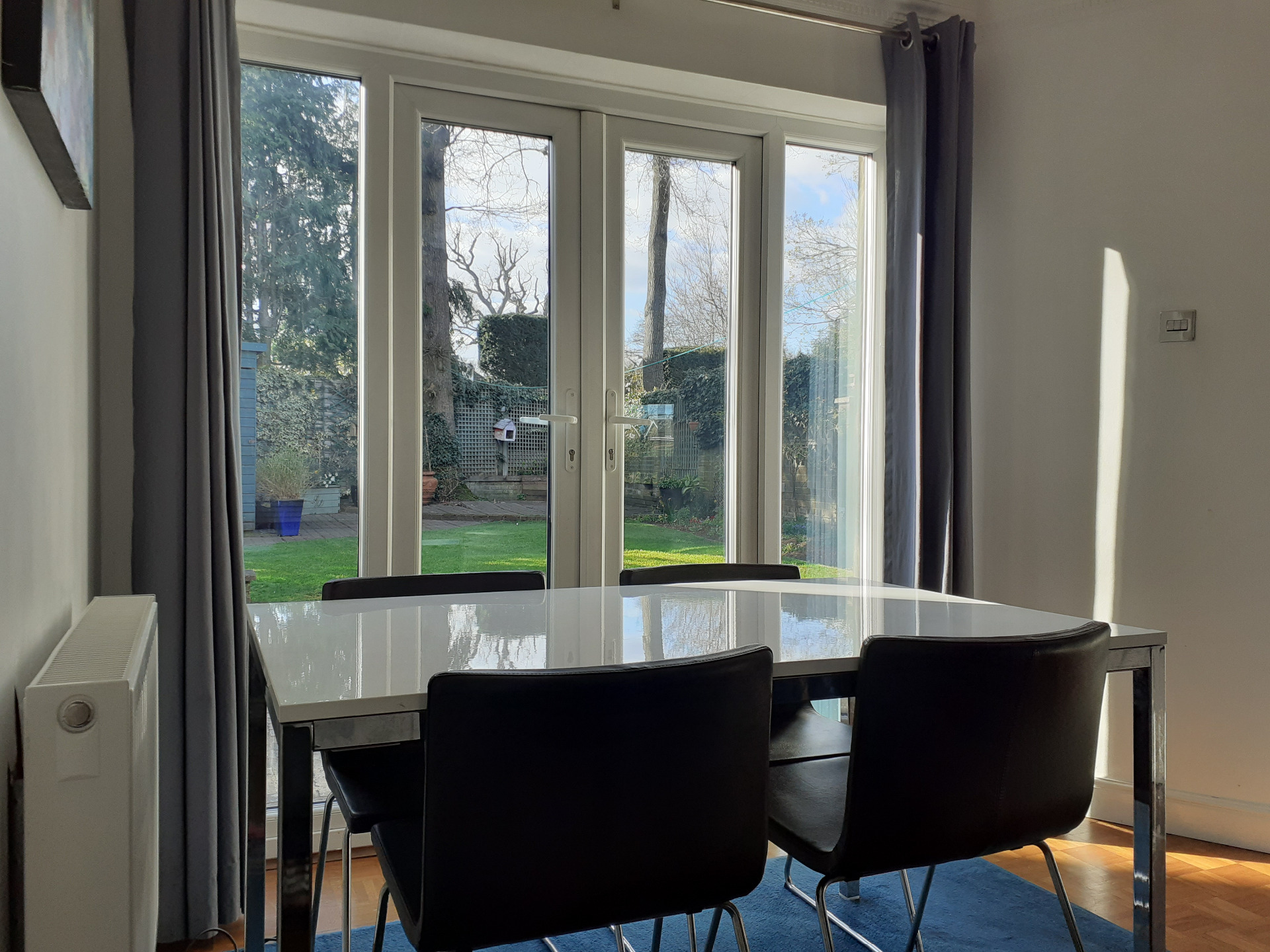
Daylight surveys enjoy a crucial position in the organizing and design associated with buildings, making sure natural light is optimally utilized to enhance both aesthetics and even functionality. By assessing the of daylight in a given place, architects and creative designers can make informed judgements that positively impact the entire design plus livability of a building. Proper access to natural mild not just elevates the particular overall look but furthermore contributes to strength efficiency, reducing reliability on artificial lighting and resulting in significant cost personal savings over time.
In urban environments, where space is often constrained and buildings are usually in close distance to one one more, daylight surveys aid prevent overshadowing, which usually can adversely impact neighboring properties and public spaces. These assessments are crucial in achieving a fair balance between dense development in addition to maintaining an enough amount of natural light for all. This kind of balance is vital not just intended for compliance with organizing regulations but also for fostering a new healthier living surroundings in urban settings, where green places and light access are increasingly respected.
Moreover, the implications associated with daylight surveys prolong beyond individual qualities to impact larger urban planning methods. By understanding just how light interacts with structures and panoramas, city planners can easily create more harmonious and sustainable communities. Daylight surveys act as a foundational instrument in promoting stylish spaces that boost occupant wellbeing, add to energy efficiency, and ultimately shape the future of urban habitation.
Precisely how Daylight Surveys Enhance Building Design
Daylight studies play a essential role in improving building design by providing vital here is how natural light interacts with architectural areas. By assessing daylight availability, these research help architects and even designers create environments that are certainly not only aesthetically desirable but also practical. Understanding the daytime factor and photo voltaic access allows with regard to informed decisions concerning window placements, space orientations, and total spatial configuration, top to designs that will maximize natural mild and reduce reliance upon artificial lighting.
Incorporating sunlight analysis into the design process can easily significantly improve the building’s energy productivity. By optimizing home windows and openings structured on the study data, designers can reduce energy usage associated with artificial lighting and HEATING AND COOLING systems. This lasting approach not only lowers operational costs and also helps accomplish energy standards and even certifications, such since LEED and BREEAM. Consequently, buildings created with daylight at heart can achieve far better thermal performance in addition to inhabitability, further interesting to environmentally conscious customers.
In addition, daylight surveys add to occupant wellbeing by creating healthier living and working environments. Access to be able to natural light has already been proven to boost mood, productivity, and even overall satisfaction among occupants. By including findings from daytime assessments, architects can design spaces that foster a beneficial link with the outdoors, such as integrating large windows, dfgdtrhfgh, or light water wells. These elements not only enhance the top quality of the inside environment but also make certain that buildings serve to the requirements of their inhabitants, promoting a sense associated with comfort and link with nature.
Benefits involving Daylight Surveys inside Urban Planning
Daylight surveys play a essential role in urban planning purchasing a new that will new developments increase natural light entry for both properties and outdoor spots. By assessing how sunlight interacts with structures and their very own surroundings, planners could create environments that will enhance the top quality of life with regard to residents. Improved daylighting leads to even more inviting public locations, fostering social discussion and community diamond. Additionally, urban planners may use these surveys to strategically placement buildings and environmentally friendly spaces, optimizing sun light exposure while taking into consideration the impacts in existing structures.
Another essential benefit is the contribution of daylight surveys to energy performance in urban configurations. With the increasing focus on sustainability, cities are taking on designs that lessen reliance on man-made lighting and heat. Daylight surveys supply valuable insights that will guide the orientation involving buildings, window positionings, and the use involving reflective materials, almost all of which can significantly reduce vitality consumption. As some sort of result, cities can easily lower their co2 footprint while in addition achieving cost financial savings for both designers and occupants through reduced utility expenses.
Moreover, daylight surveys support compliance with regulating standards and preparing permissions, that happen to be more and more taking daylight entry into account. Private sector organisations are implementing guidelines that require a new certain level of daylight provision in new developments to shield typically the amenity of present properties and be sure lasting growth. By conducting thorough daylight tests, developers can get around potential planning difficulties and create tasks that are even more likely to receive approval. This proactive approach not simply benefits individual assignments but also contributes to be able to a more cohesive and well-planned downtown landscape.